
White vs Red Sandalwood (Safed vs Lal Chandan): Differences and Uses
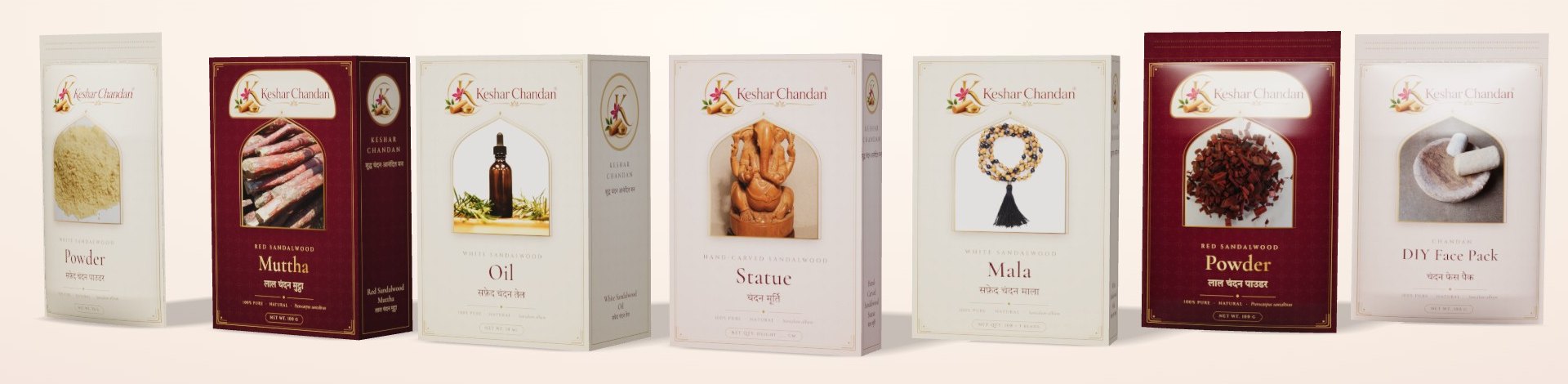
In most Indian homes "chandan" means a cool, fragrant paste for puja and tilak. But there are two very different woods sold as chandan: white sandalwood (safed chandan) and red sandalwood (lal chandan or rakt chandan). They come from different trees, look different, smell different and are used for different things.
Two different trees
| White sandalwood | Red sandalwood | |
|---|---|---|
| Hindi name | Safed chandan, shwet chandan | Lal chandan, rakt chandan |
| Tree | Santalum album | Pterocarpus santalinus (red sanders) |
| Colour | Pale yellow to light brown | Deep red to maroon |
| Smell | Warm, creamy, long-lasting | Very mild or none |
| Best known for | Fragrance, puja paste, tilak, oil, skin care | Puja, tilak, hawan, natural red colour |
White sandalwood: the fragrant one
White sandalwood's value is in its heartwood, the dense inner wood of a mature tree. The heartwood holds a natural oil whose main fragrant parts are called santalols. That oil is why a small piece of safed chandan can scent a cupboard for months, and why good sandalwood oil is so costly.
Common uses:
- Rubbed on a wet stone (sil) into fresh paste for puja and tilak
- Powder mixed with rose water for a face pack
- Oil in a diffuser or diya, or mixed with a carrier oil
- Small pieces or dust in the wardrobe for a natural fragrance
Red sandalwood: the colour of devotion
Red sandalwood is a different tree that grows mainly in the Eastern Ghats of southern India. Its wood is very dense and a deep red, coloured by a natural pigment called santalin. It has almost no scent, so if someone sells "red chandan" with a strong perfume, ask questions.
Common uses:
- Red tilak and paste offered in Devi and Hanuman puja
- Rakt chandan mala for jaap
- Dust in hawan and samagri
- A traditional natural colouring
Which one should you buy?
- For daily puja and tilak: white chandan muttha or powder. Fresh paste from a muttha smells best.
- For a specific ritual that asks for rakt chandan: red chandan muttha or powder.
- For fragrance: only white sandalwood, as powder, dust or oil.
- For a face pack: white sandalwood powder is the usual choice. Always do a patch test first.
Quick checks when buying
Real white sandalwood should smell warm and soft, and the smell should stay on your fingers after rubbing. Real red sandalwood should feel heavy for its size and show a deep, even red colour. No home check is perfect, so buy from a seller who names the exact species on the pack. Read our guide on how to check real sandalwood for more.
Questions people ask
Is red sandalwood the same as white sandalwood?
No. White sandalwood (safed chandan) is Santalum album and is known for its fragrance. Red sandalwood (lal or rakt chandan) is Pterocarpus santalinus, a different tree with deep red wood and very little smell.
Which chandan is used for tilak?
Both are used. White chandan paste is the most common tilak, and red chandan is traditionally offered to deities such as Devi and Hanuman and used in some pujas.
Which sandalwood has a strong fragrance?
White sandalwood. Its heartwood holds a natural oil that gives the warm, creamy chandan smell. Red sandalwood has little or no fragrance.
Shop the products in this guide
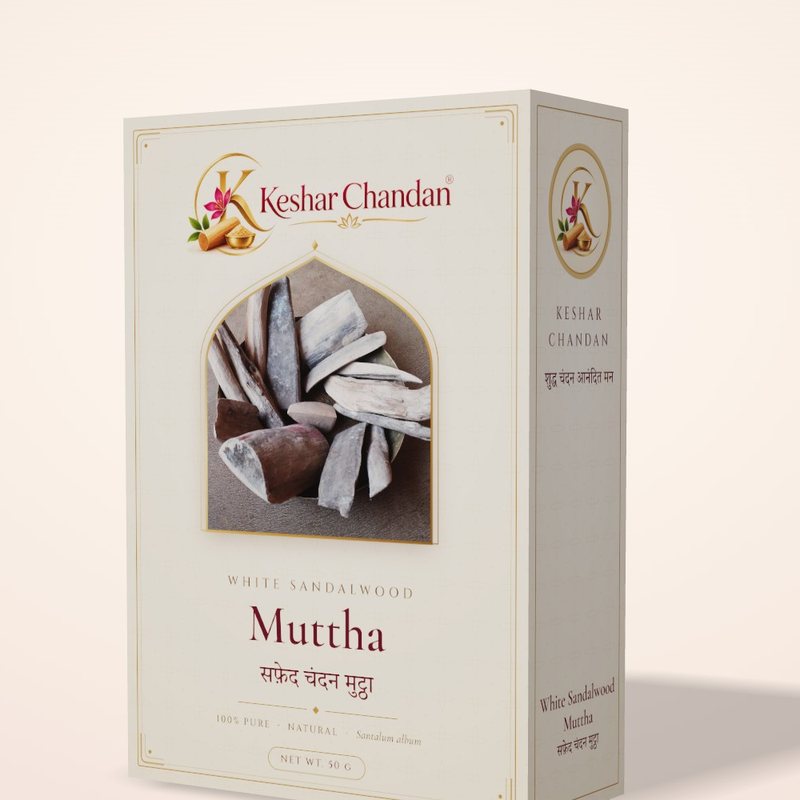 White Sandalwood Muttha
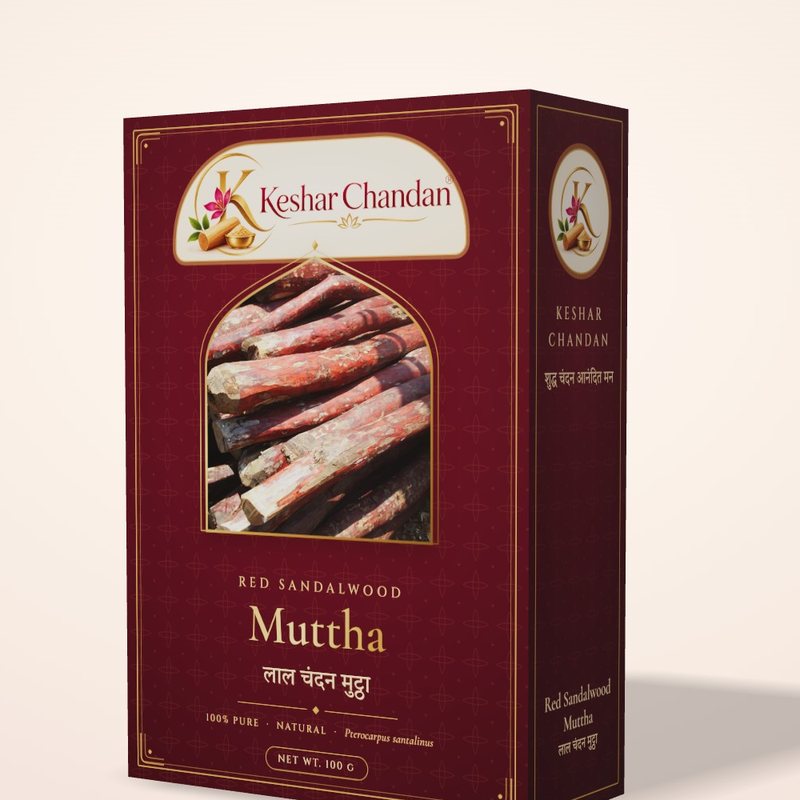 Red Sandalwood Muttha
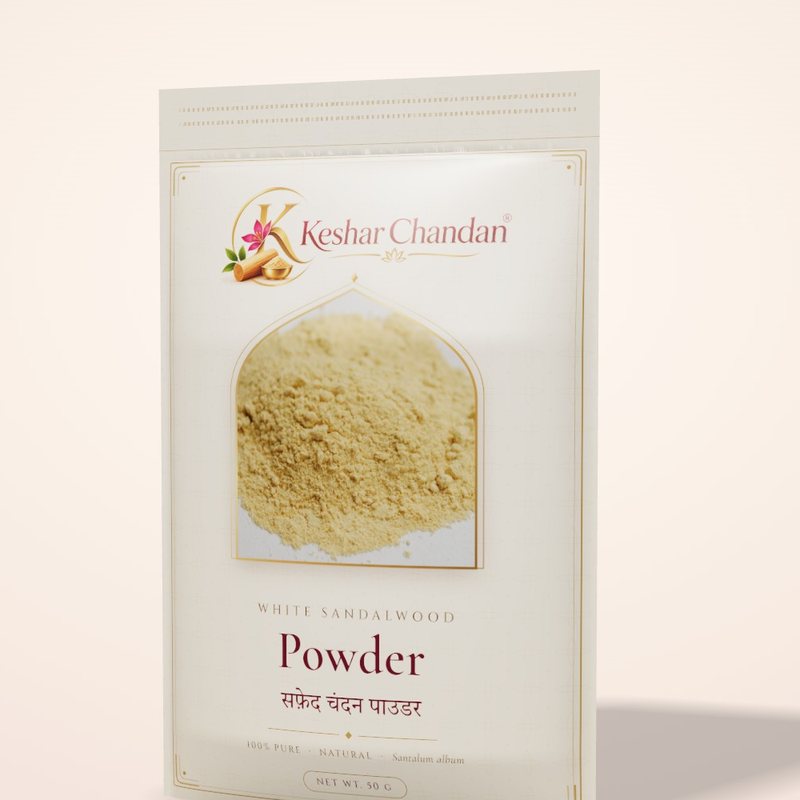 White Sandalwood Powder
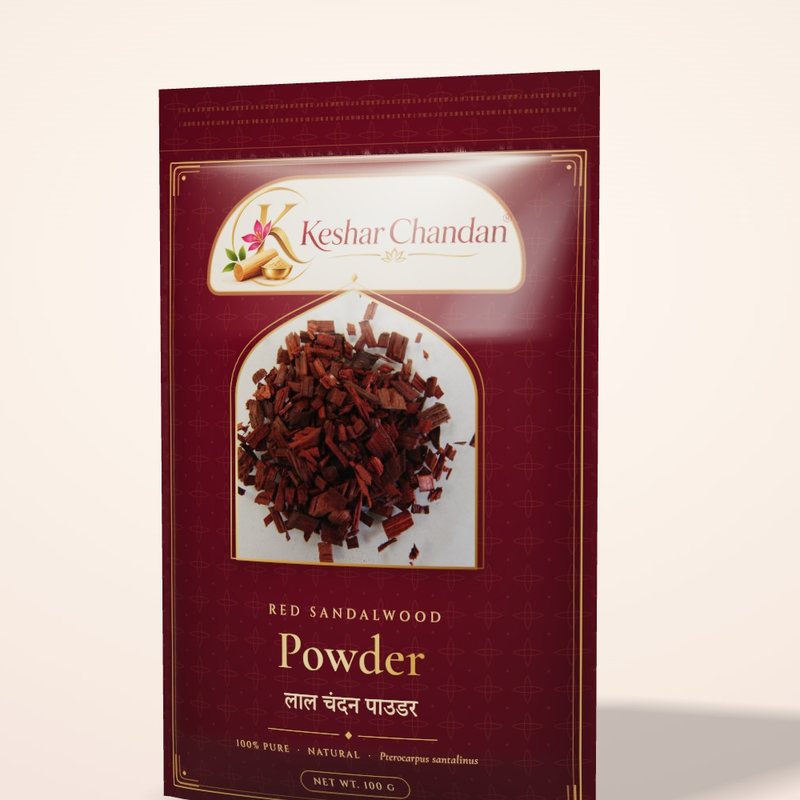 Red Sandalwood Powder
Have a question about chandan?
Ask us on WhatsAppMore from the journal
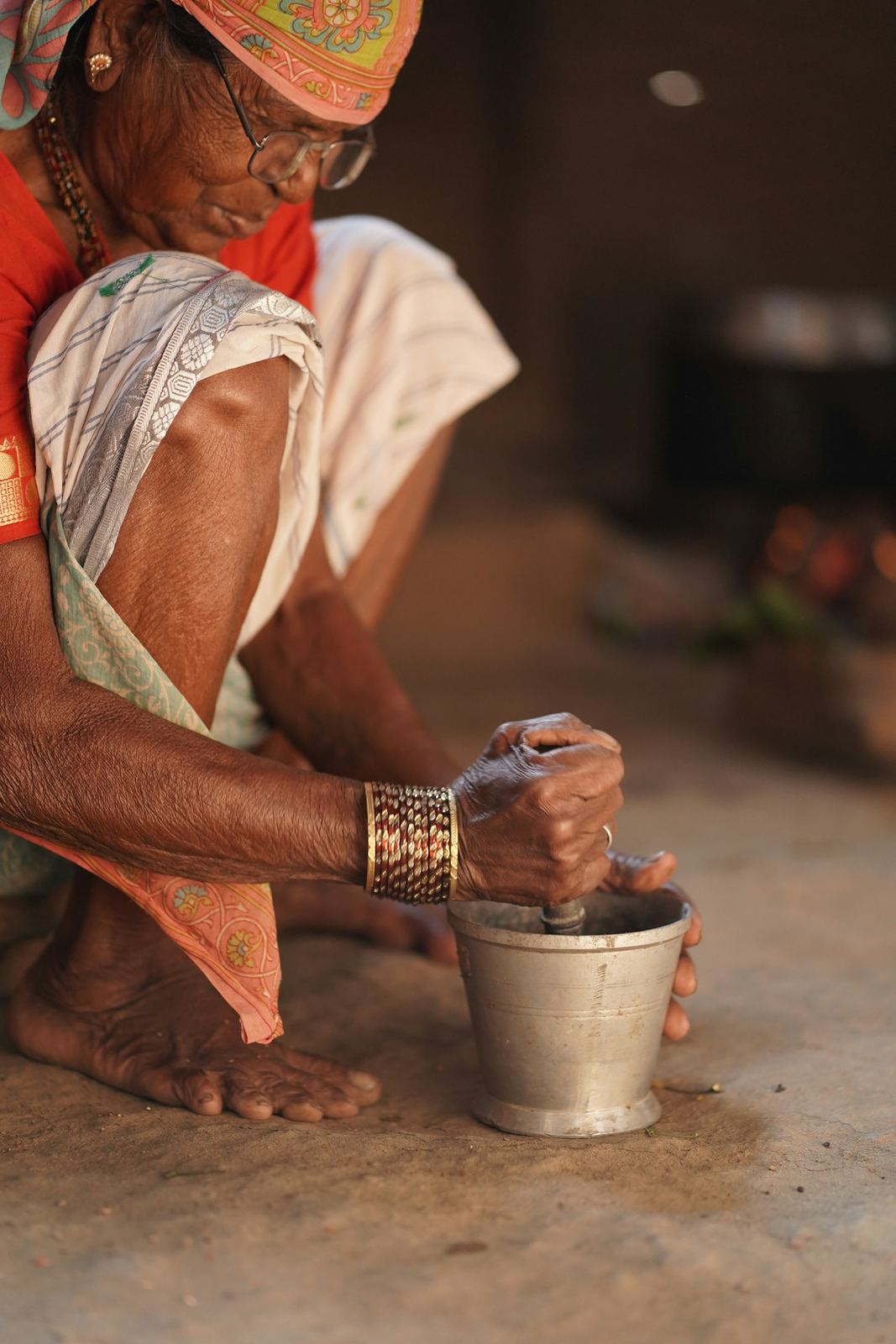
How to Make Chandan Paste for Puja and Tilak (From a Muttha)
A simple step-by-step method to make fresh sandalwood paste from a chandan muttha on a sil, plus how to store the muttha and how much paste you need for puja.
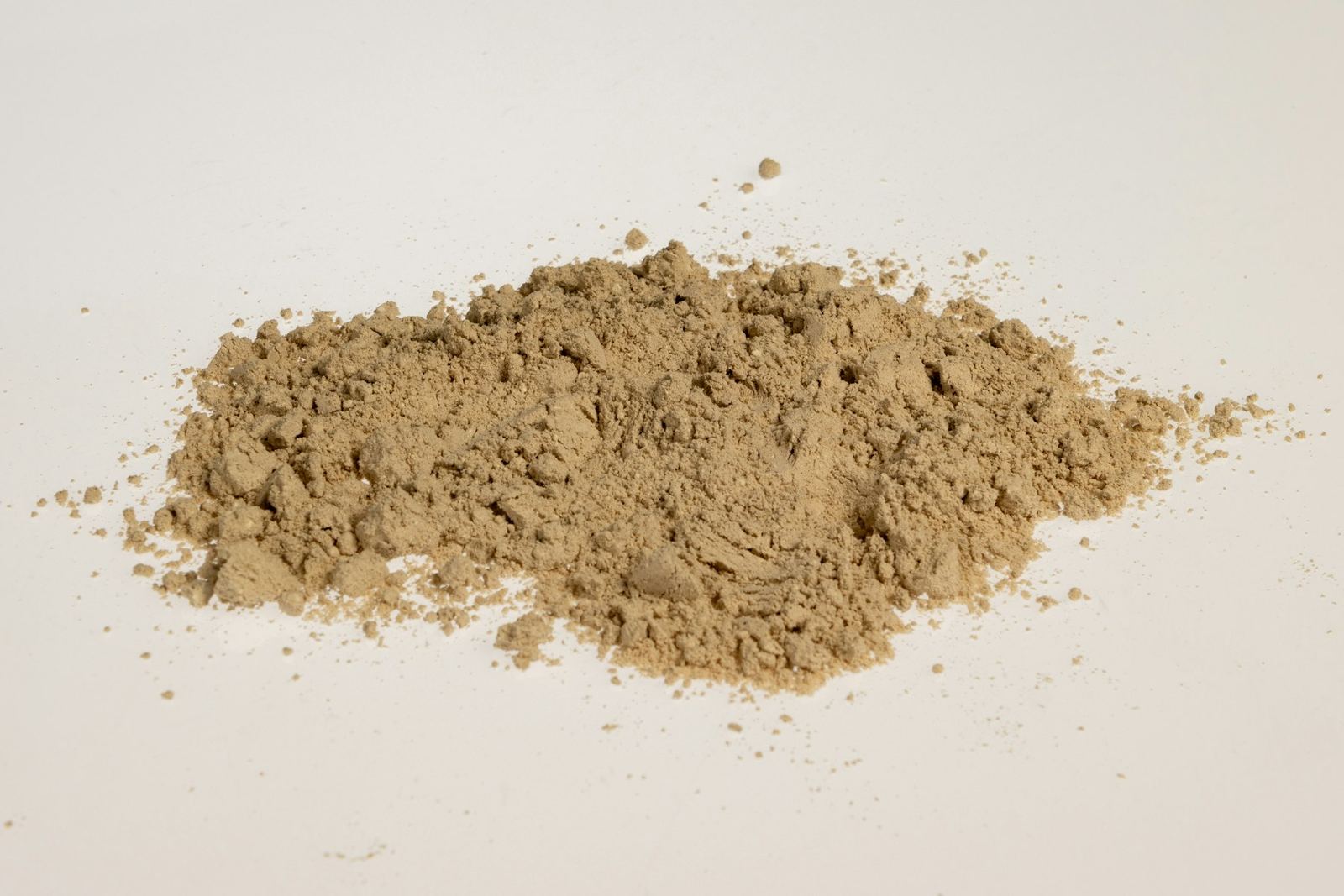
Sandalwood Face Pack at Home: Simple Methods and a Patch Test
Three easy chandan face pack methods with rose water, milk or curd, how long to keep it on, how often to use it, and why a patch test comes first.
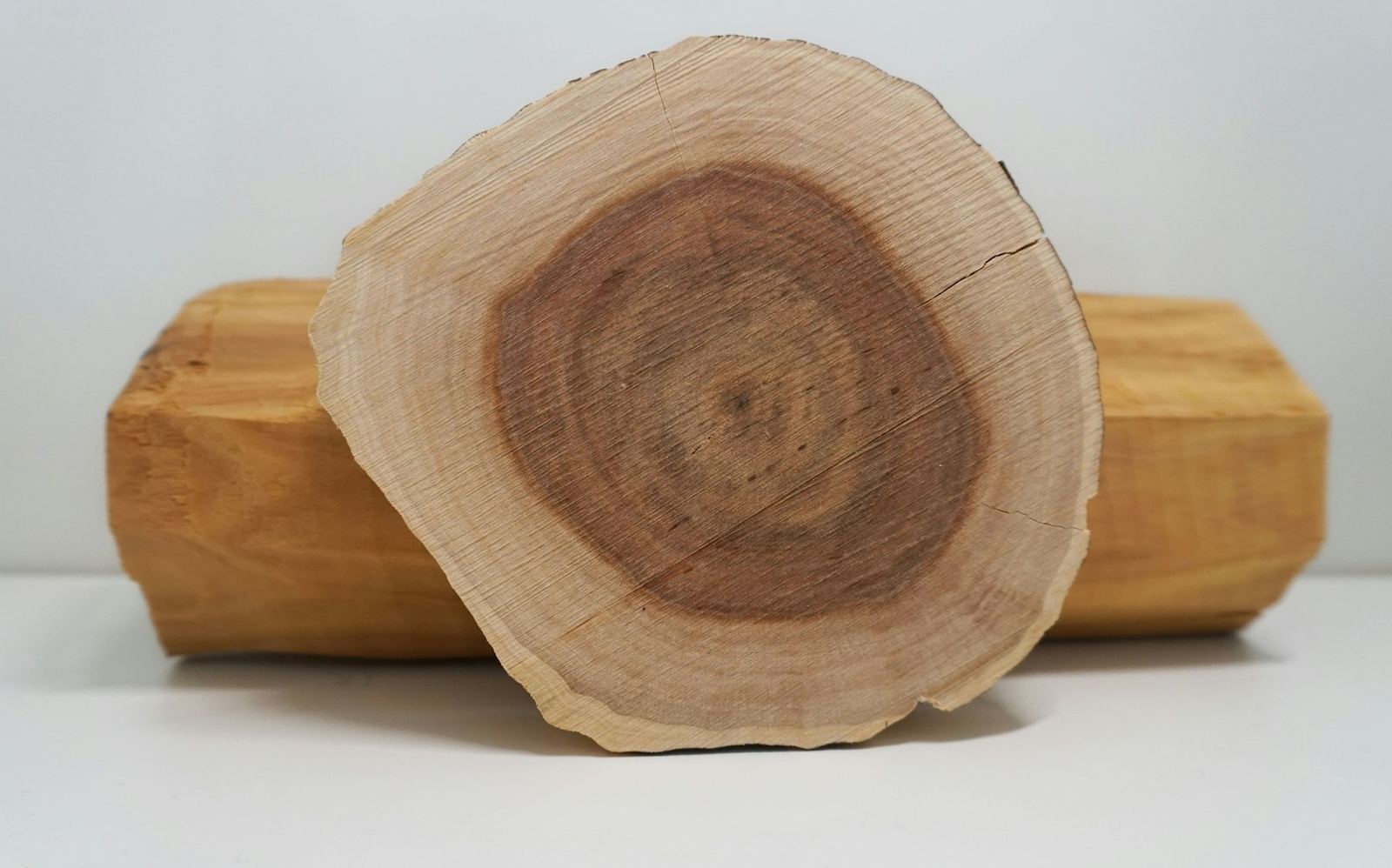
How to Check Real Sandalwood vs Fake: Simple Home Checks
Fake and mixed sandalwood is common. Simple checks for chandan muttha, powder and oil by smell, rub, colour and price, and what to ask the seller.