
Sandalwood Face Pack at Home: Simple Methods and a Patch Test
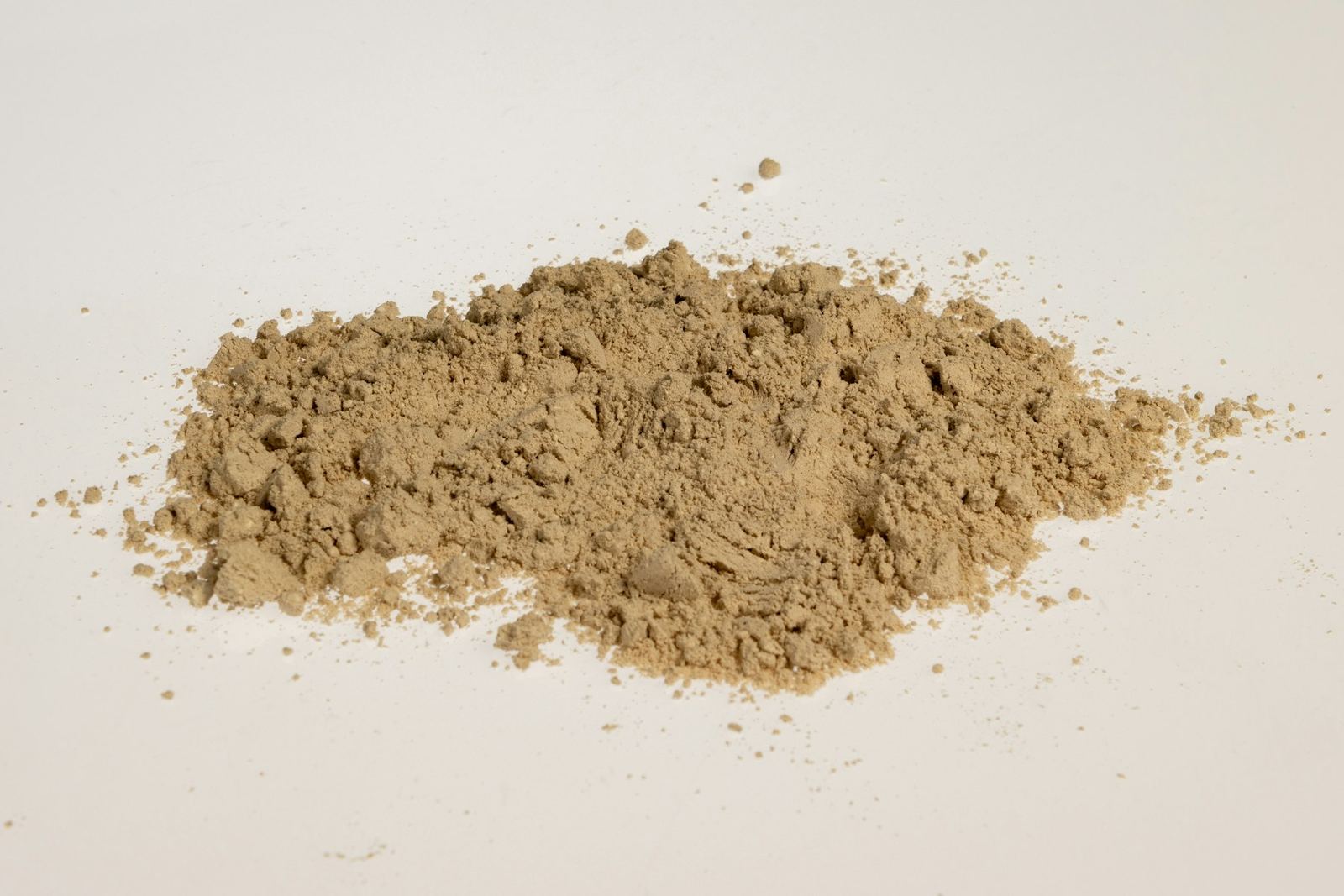
A chandan face pack is one of the oldest home skin rituals in India. Sandalwood powder is cooling and pleasant to use, and you only need two or three things from your kitchen. Here are three simple ways to make one, and the safety step most people skip.
First: do a patch test
Even natural products can disagree with some skin. Mix a small amount of the pack and apply it on the inside of your wrist or behind your ear. Wait 24 hours. If you see redness, itching or a rash, do not use it on your face.
Method 1: Chandan + rose water (most skin types)
- Take 1 to 2 teaspoons of white sandalwood powder.
- Add rose water a little at a time and mix into a smooth paste.
- Apply evenly on a clean face, avoiding the eyes.
- Leave for 10 to 15 minutes and rinse with plain water.
Method 2: Chandan + milk (for dry skin)
Mix the powder with raw milk instead of rose water. The paste is creamier and feels gentler on dry skin. Rinse after 10 to 15 minutes.
Method 3: Chandan + curd
Mix 1 teaspoon of powder with 1 to 2 teaspoons of plain curd. It makes a soft, cooling pack. Rinse after 10 minutes.
Good habits
- Apply on a clean face, and rinse before the pack dries hard and cracks.
- Use it once or twice a week to start.
- Make a fresh pack each time. Don't store a wet mix.
- Follow with a light moisturiser if your skin feels tight.
Who should be careful
Skip the pack on broken skin, cuts, active acne that is sore, or any irritated area. If you have a skin condition or are under treatment, ask your doctor before trying a home pack. A face pack is a care ritual, not a medicine.
Want it ready to mix? Our DIY face pack is measured for you. Just add rose water, milk or curd.
Questions people ask
How long should I keep a chandan face pack on?
About 10 to 15 minutes, or until it starts to dry. Do not let it dry hard and crack, then rinse with plain water.
Can I use a sandalwood face pack every day?
Most people use it once or twice a week. Start slowly and see how your skin feels.
Who should avoid a sandalwood face pack?
Anyone who reacts in a patch test, or who has broken, irritated or very sensitive skin. If you have a skin condition, ask your doctor first.
Shop the products in this guide
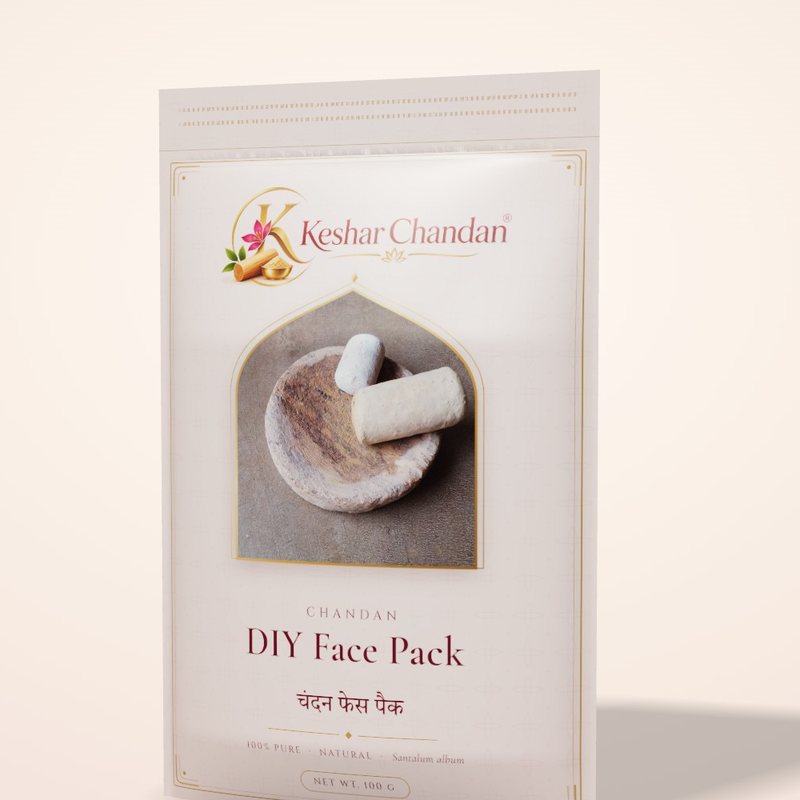 DIY Face Pack
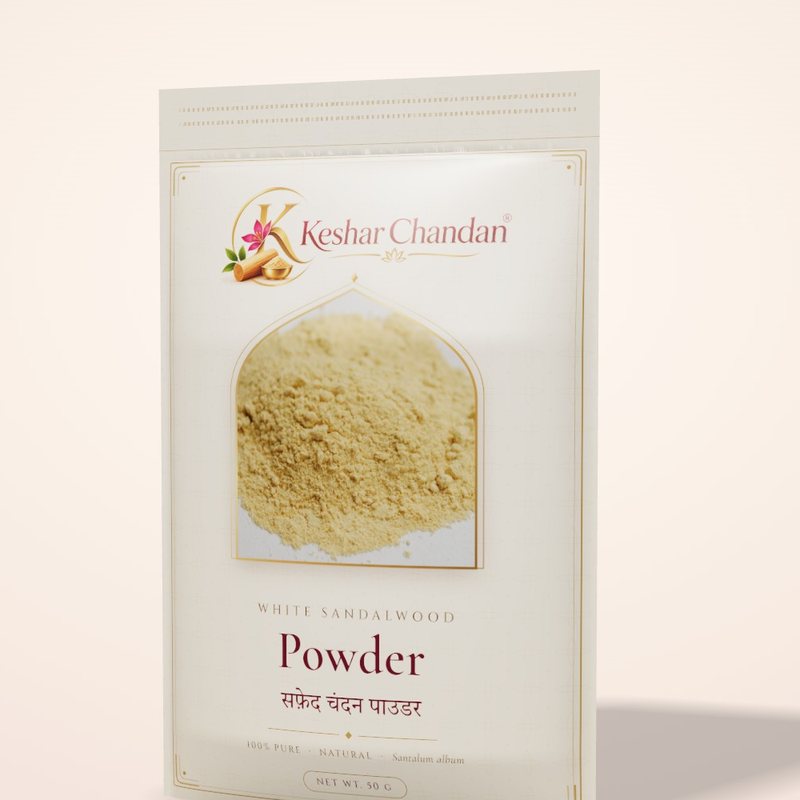 White Sandalwood Powder
Have a question about chandan?
Ask us on WhatsAppMore from the journal
White vs Red Sandalwood (Safed vs Lal Chandan): Differences and Uses
Safed chandan and lal chandan come from two different trees. How to tell them apart by smell, colour and use, and which one to buy for puja, tilak or skin care.
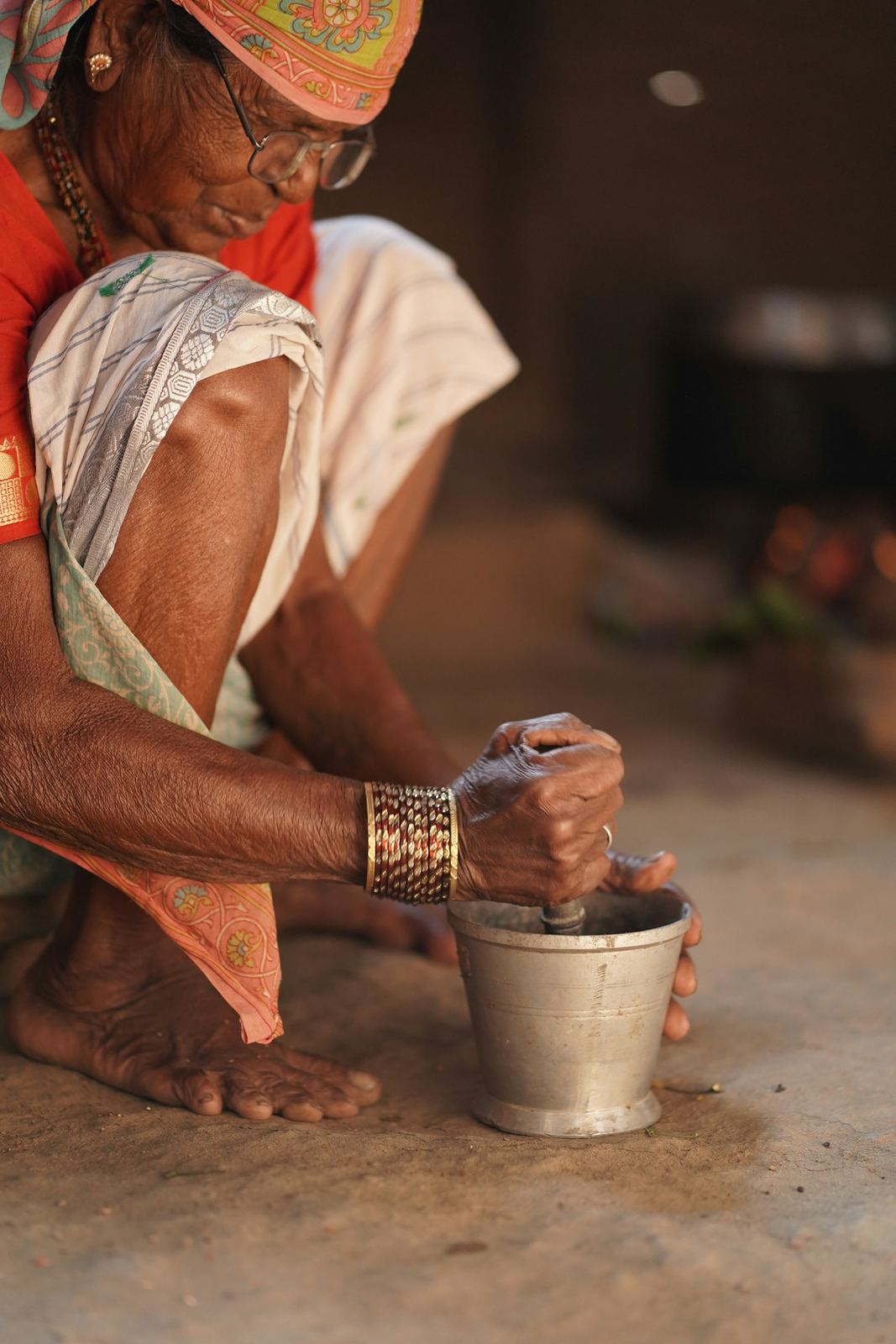
How to Make Chandan Paste for Puja and Tilak (From a Muttha)
A simple step-by-step method to make fresh sandalwood paste from a chandan muttha on a sil, plus how to store the muttha and how much paste you need for puja.
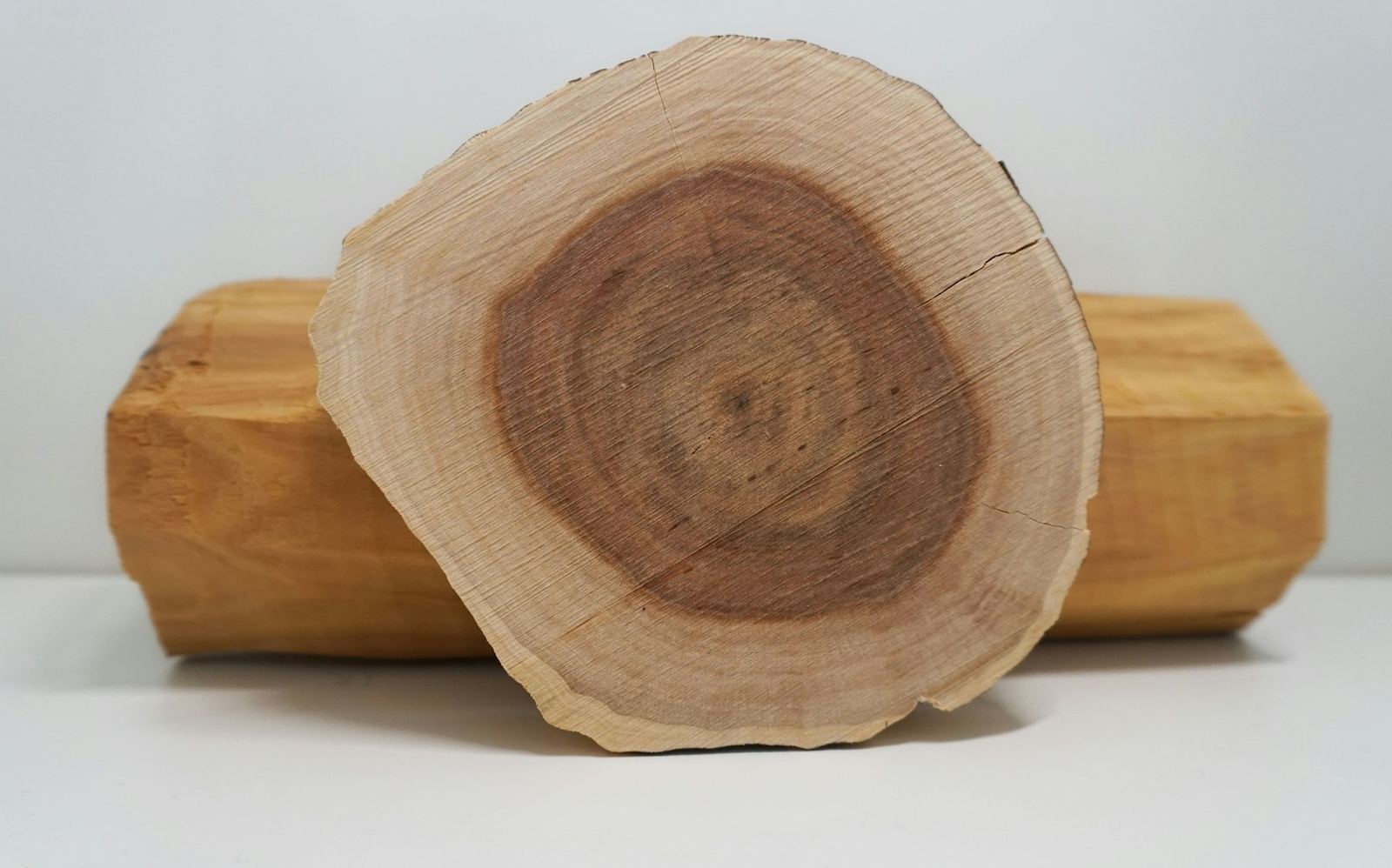
How to Check Real Sandalwood vs Fake: Simple Home Checks
Fake and mixed sandalwood is common. Simple checks for chandan muttha, powder and oil by smell, rub, colour and price, and what to ask the seller.