
How to Check Real Sandalwood vs Fake: Simple Home Checks
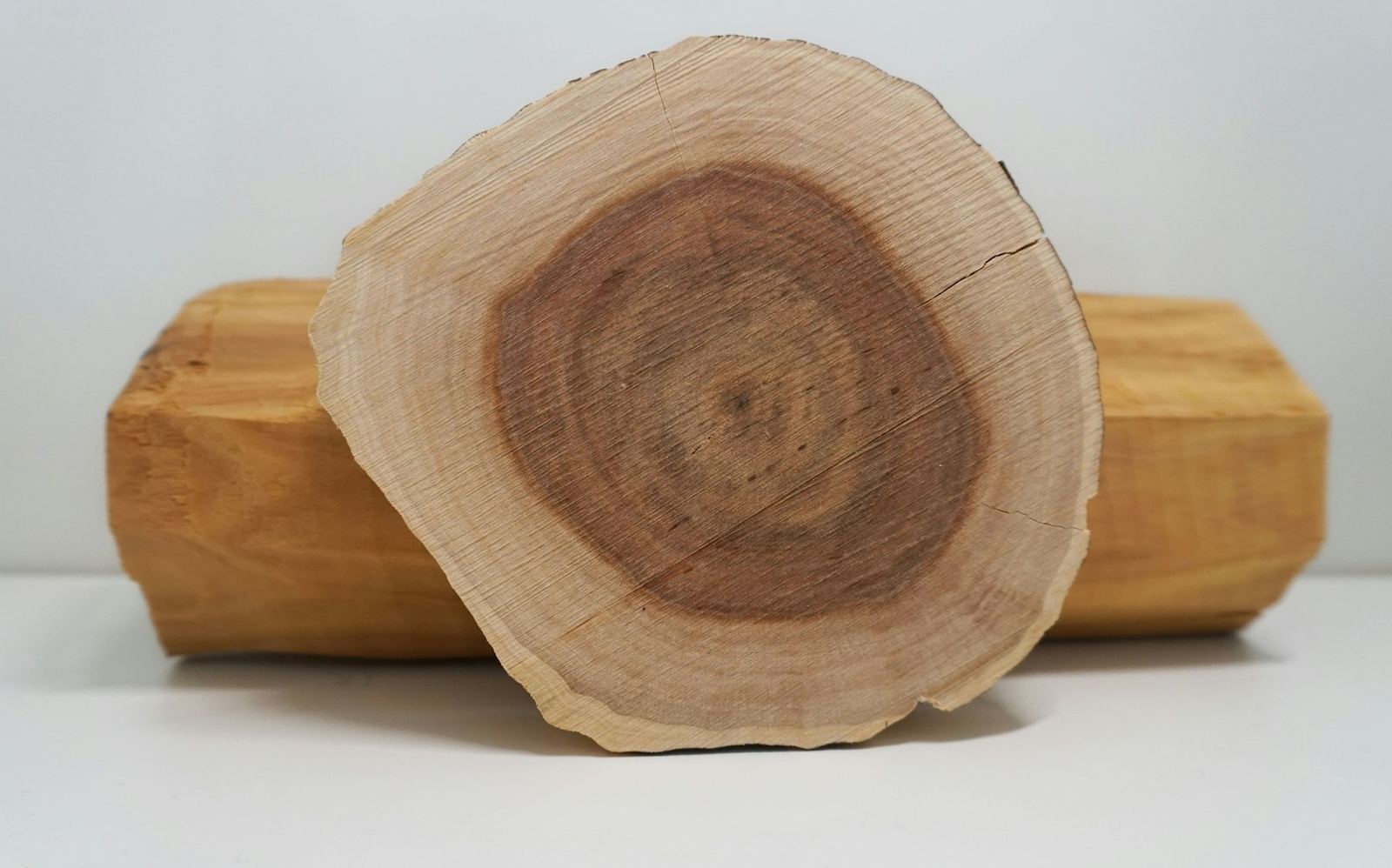
Because real sandalwood is costly and slow to grow, a lot of what is sold as "chandan" is mixed with other wood or sprayed with fragrance. No home check is perfect, but these simple tests help you avoid the obvious fakes.
1. The smell test (white sandalwood)
Real white sandalwood smells warm, soft and creamy, never sharp. Rub a little powder or the muttha between your fingers and smell it again after a few minutes. Real chandan scent stays. A fake usually smells strong at first, like a perfume, and then fades fast.
2. The rub test (muttha)
Rub the muttha on a wet stone. Real heartwood gives a smooth, creamy paste and the fragrance gets stronger as you rub. If the paste is gritty, the colour is odd, or there is almost no smell, be careful.
3. Look at the colour
- White sandalwood: pale yellow to light brown. Very white, chalky powder can mean fillers.
- Red sandalwood: deep, even red to maroon. Red sandalwood wood is very dense and feels heavy for its size.
4. Oil: a drop on paper
Put one drop of the oil on plain white paper. Pure essential oil spreads and slowly evaporates over hours. A heavy greasy patch that never dries can mean the oil is diluted in a carrier oil. That is fine if the label says so, but not if it is sold as "pure".
5. Price is a clue
Genuine white sandalwood, especially oil, is never cheap. If a price looks too good to be true, it usually is.
Ask the seller these questions
- Which species is it? (Santalum album for white, Pterocarpus santalinus for red)
- Is it heartwood, or mixed with sapwood or other wood?
- Is anything added, such as fragrance, colour or fillers?
- For oil: is it pure, or diluted, and in which carrier oil?
A genuine seller will answer all of these clearly. Every Keshar Chandan pack names the species and says what's inside. Still unsure? Send us a message on WhatsApp and ask.
Questions people ask
Why is real sandalwood expensive?
White sandalwood trees grow slowly, and only the heartwood of a mature tree is fragrant. Supply is limited, so very cheap 'sandalwood' is often mixed or scented with perfume.
How can I tell if sandalwood powder is mixed?
Real powder has a soft, natural chandan smell that stays after you rub it between your fingers. Mixed powder often smells sharp or perfumed at first and then fades quickly.
Does real red sandalwood smell?
Very little. Red sandalwood is valued for its colour and use in puja, not for fragrance. A strong perfume on red chandan is a warning sign.
Shop the products in this guide
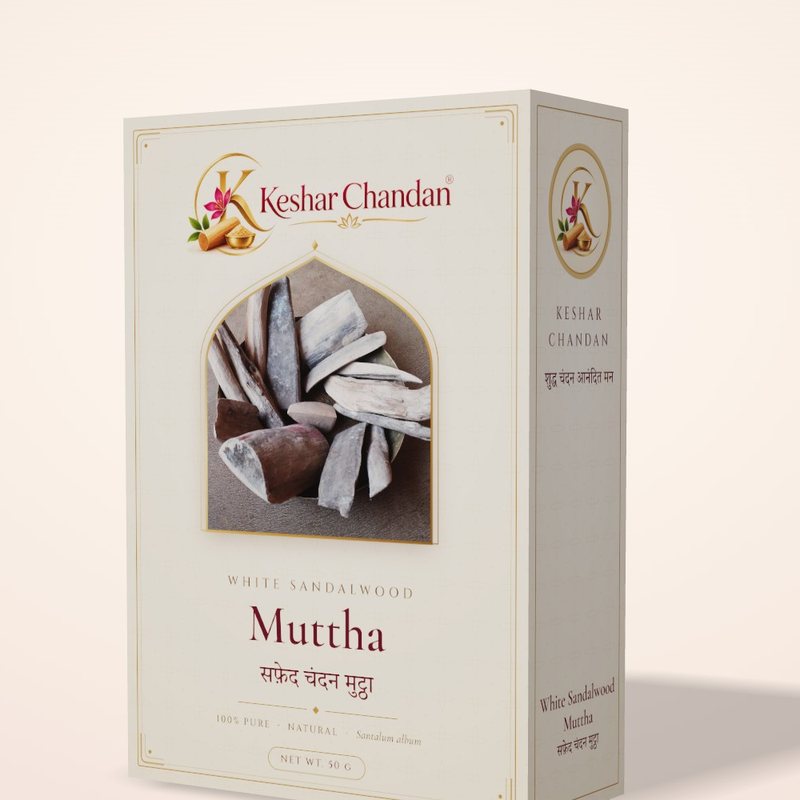 White Sandalwood Muttha
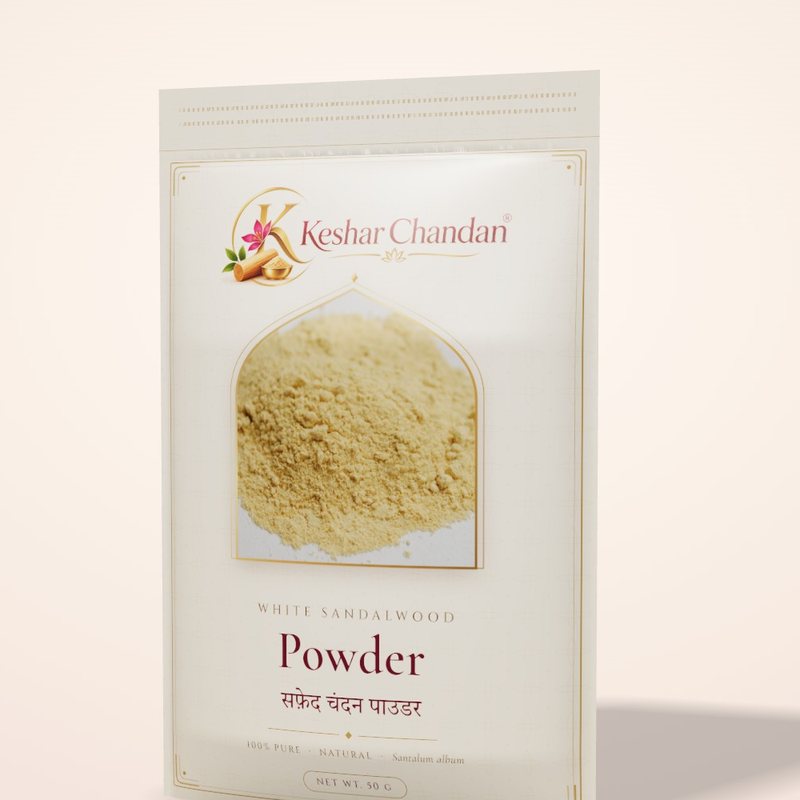 White Sandalwood Powder
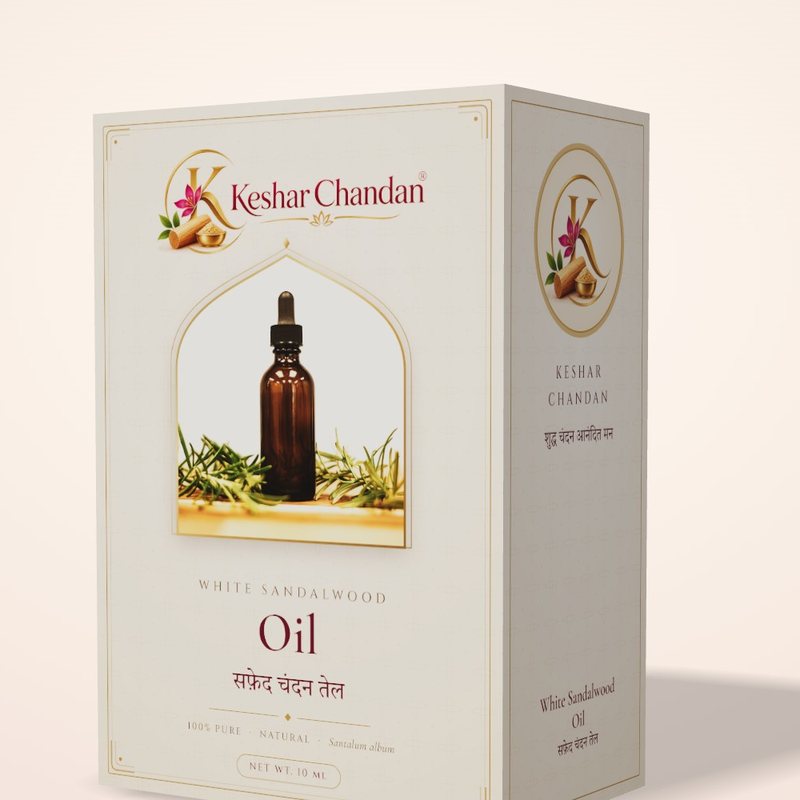 White Sandalwood Oil
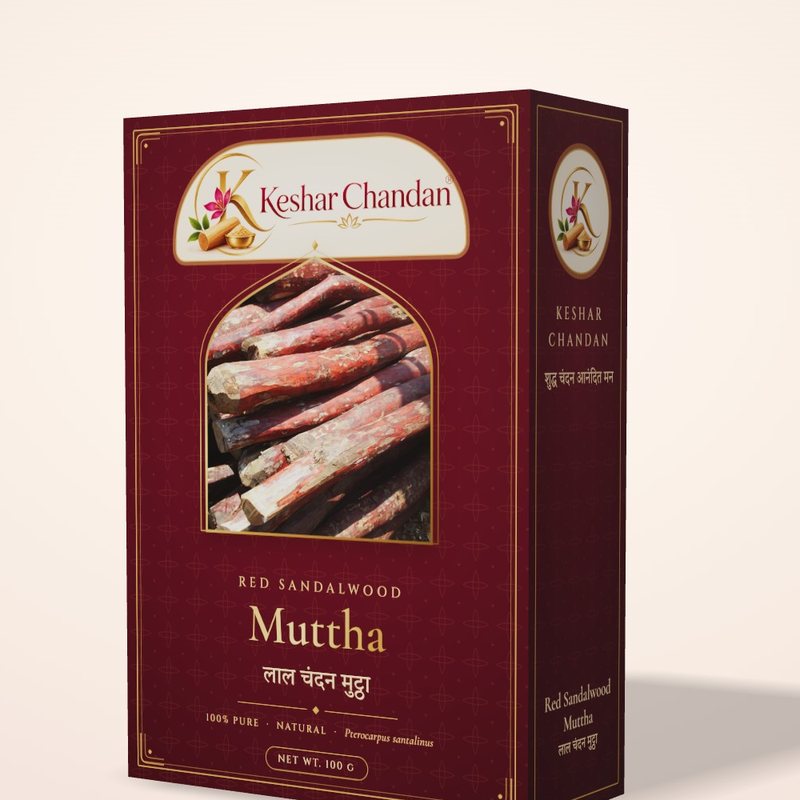 Red Sandalwood Muttha
Have a question about chandan?
Ask us on WhatsAppMore from the journal
White vs Red Sandalwood (Safed vs Lal Chandan): Differences and Uses
Safed chandan and lal chandan come from two different trees. How to tell them apart by smell, colour and use, and which one to buy for puja, tilak or skin care.
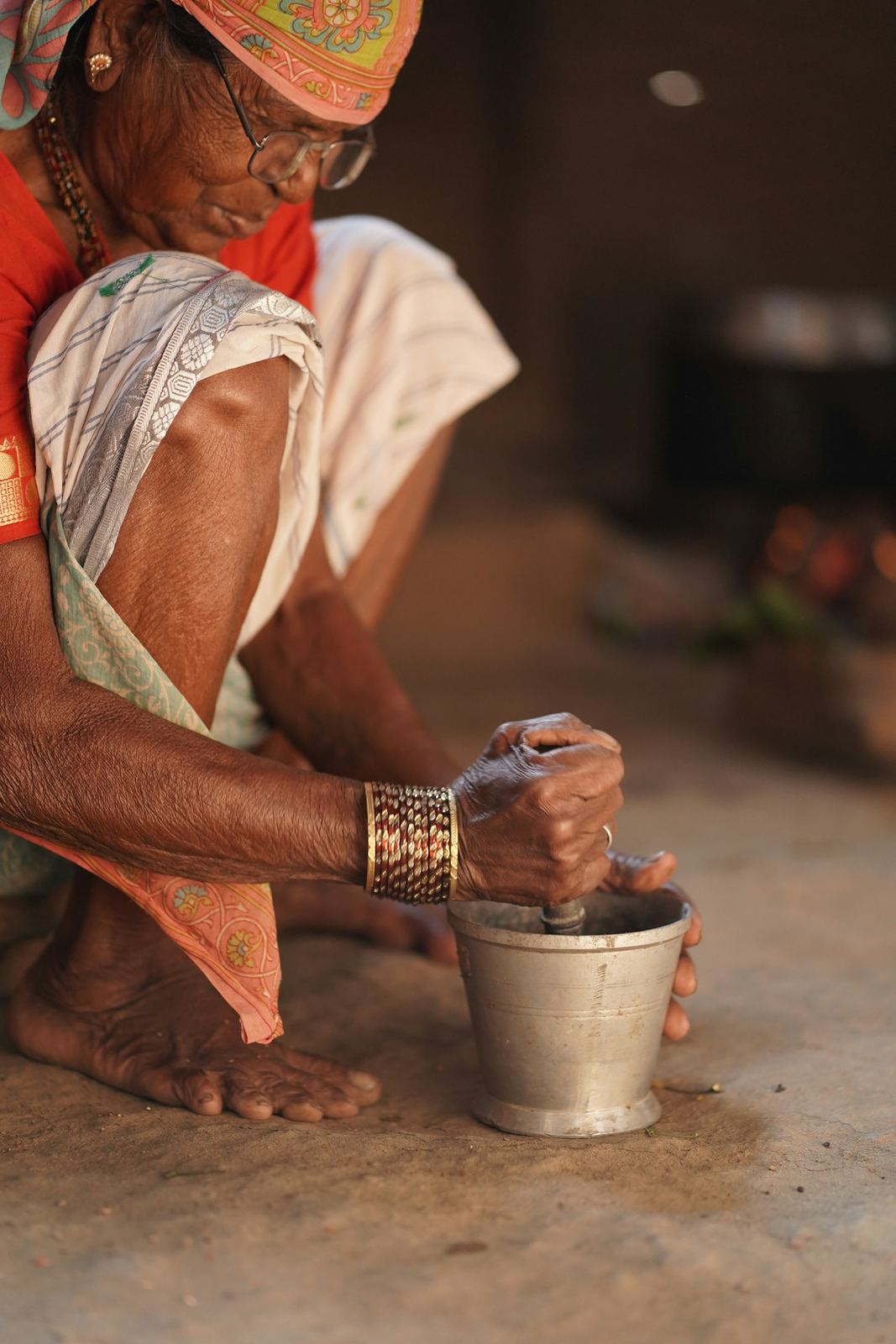
How to Make Chandan Paste for Puja and Tilak (From a Muttha)
A simple step-by-step method to make fresh sandalwood paste from a chandan muttha on a sil, plus how to store the muttha and how much paste you need for puja.
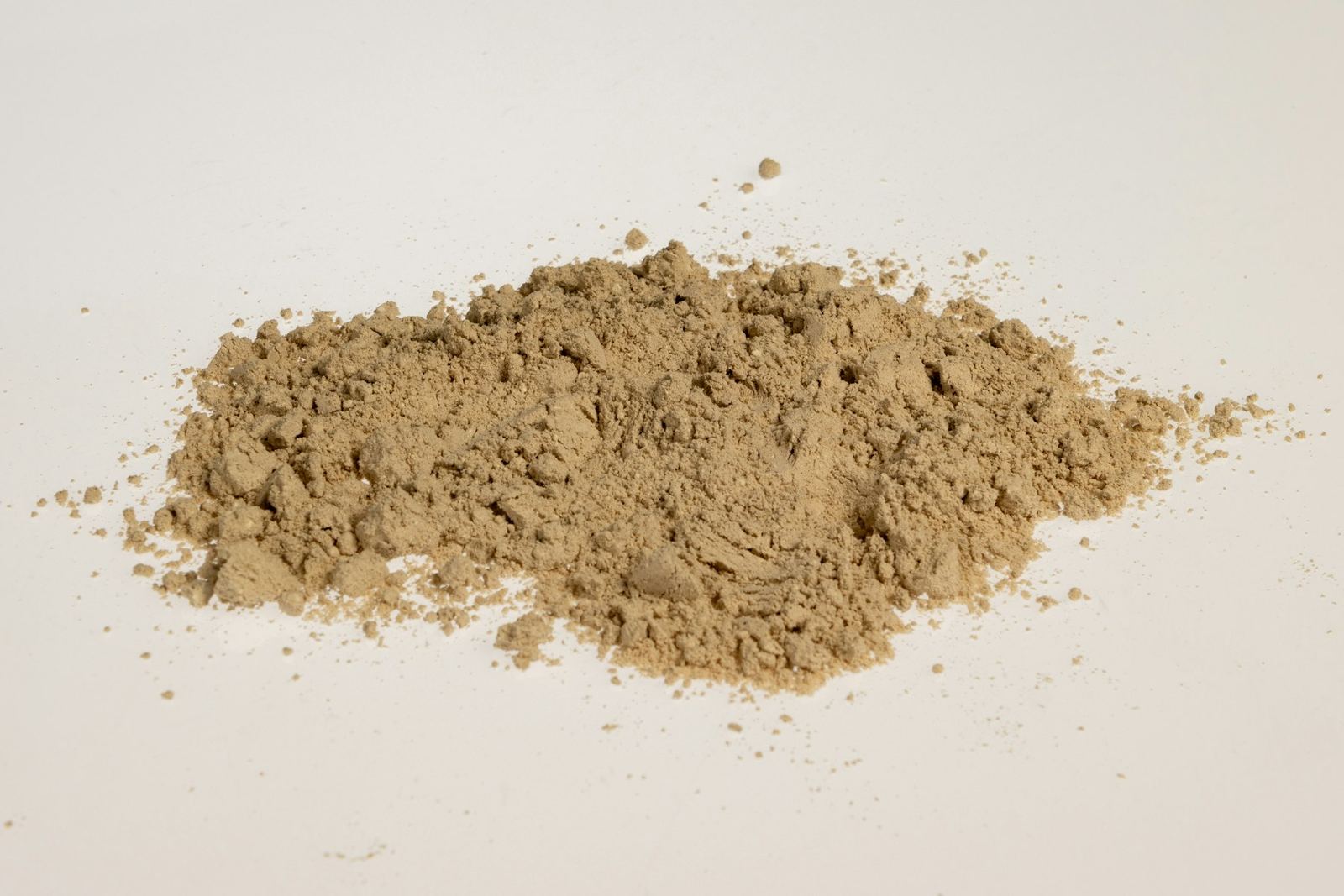
Sandalwood Face Pack at Home: Simple Methods and a Patch Test
Three easy chandan face pack methods with rose water, milk or curd, how long to keep it on, how often to use it, and why a patch test comes first.